History of the city
Marseille, the Phocaean city: a historic city and trading hub
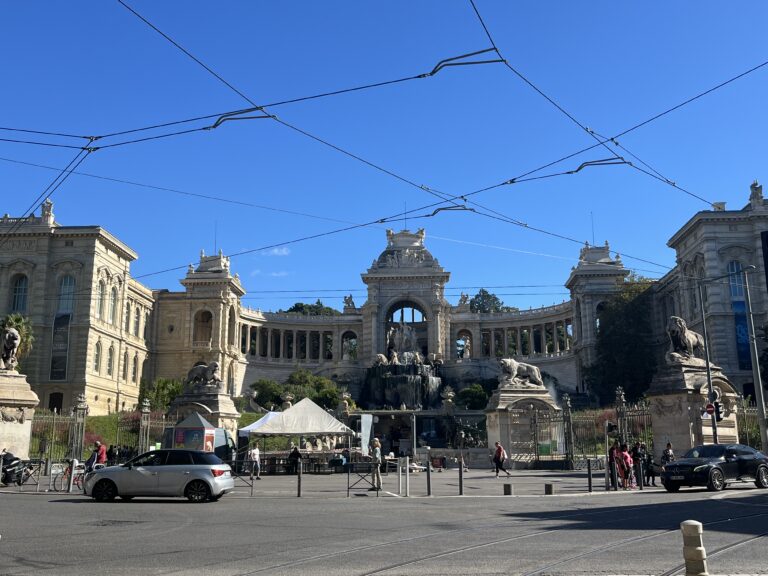
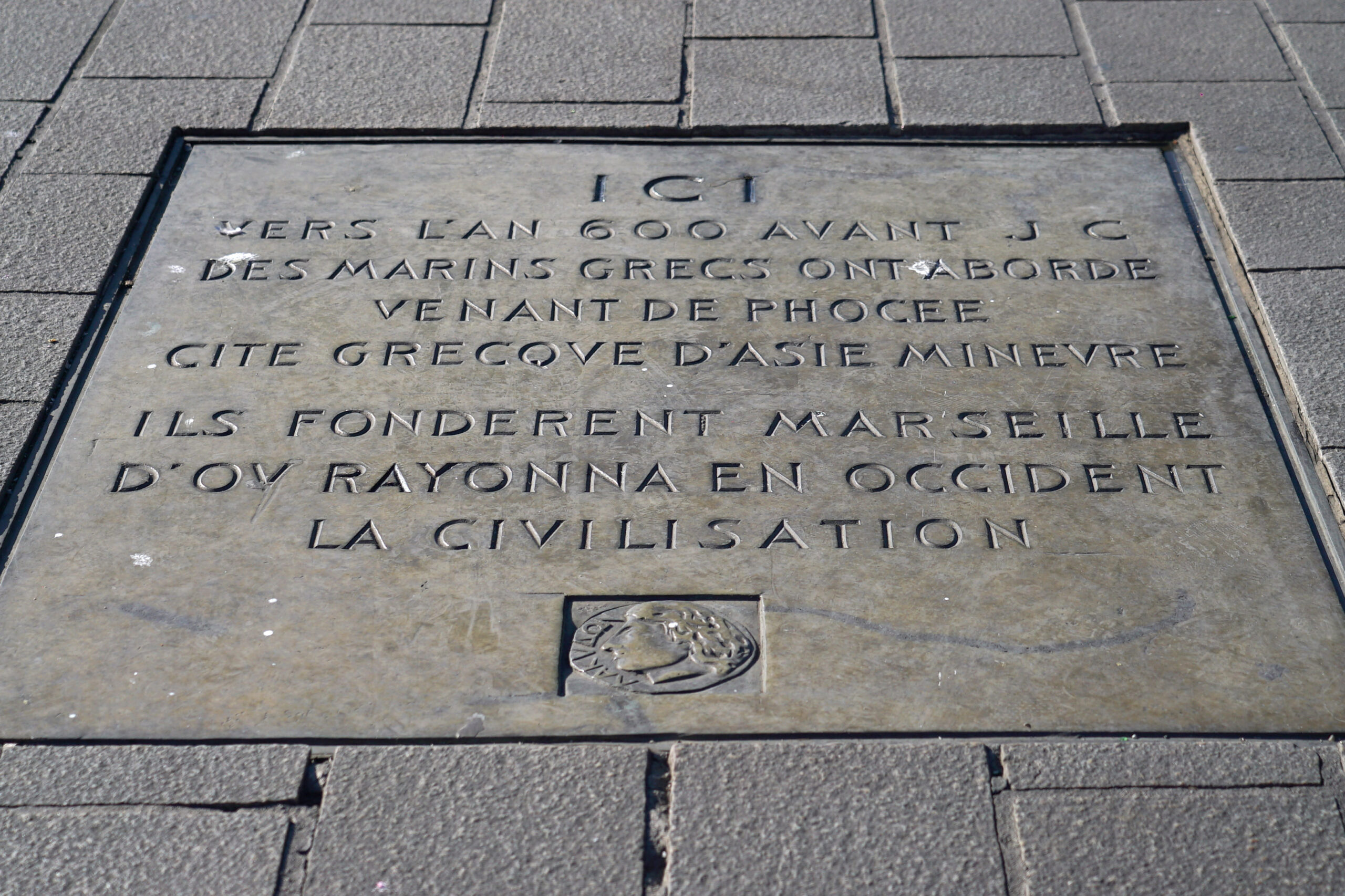
Nicknamed the Phocaean city, Marseille is one of the oldest cities in France. Founded as Massilia around 600BC by Greek sailors from Phocaea (a city in Asia Minor, in today’s Turkey), it has established itself over the centuries as an essential crossroads for trade and cultural exchange in the Mediterranean.
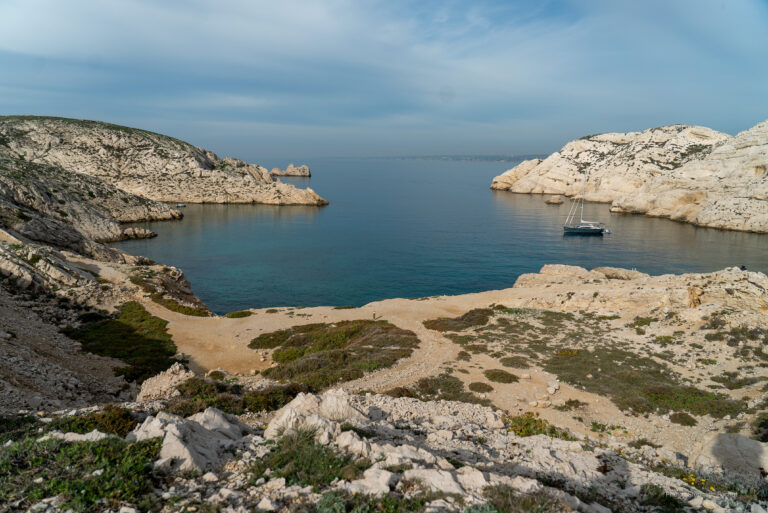
Today, the city is home to more than 1.5 million inhabitants spread across a total surface area of 1758.2 km². It is the third most populous urban area in France, and the capital of the Bouches-du-Rhône department, situated in the Sud – Provence-Alpes-Côte d’Azur (PACA) region. Its 57km seafront includes famous rocky inlets known as calanques, part of a national natural park that you’ll definitely be hearing about a lot.
A Mediterranean climate and a distinctive wind
Marseille has a Mediterranean climate, with very hot, dry summers and warm winters. However, watch out for the mistral wind! Powerful and often unpredictable, it blows from the north and can quickly cool temperatures, even in the summer!
A cosmopolitan and welcoming city, and a transit point
For centuries, Marseille has been a cosmopolitan city, shaped by successive waves of migration. Due to its strategic position and its port—one of the most important in the Mediterranean—it is a transit city and a commercial and cultural crossroads where European, African and Middle Eastern influences converge.
Through the waves of migration, many people have left their mark on the city, contributing to its unique identity and cultural richness. Its different areas, markets, food, languages, and traditions reflect the city’s diversity and openness to the world.
Marseille is a city with many sides to it: it is both modern and historic, lively and dynamic, maritime and urban.
Header photo : Stéphane Pachot