Lisbon main cultural events
February
Carnival of Lisbon
Carnaval in Lisbon is a lively and colorful celebration that takes place before Lent, typically in February or early March, depending on when Easter falls. While Lisbon’s Carnaval may not be as internationally famous as those in Rio de Janeiro or Venice, it still holds a unique charm and is a significant part of the city’s cultural calendar. Here’s a closer look at what you can expect from Lisbon’s Carnaval:
Carnaval in Lisbon has deep historical and cultural roots, with influences from both Portuguese traditions and international celebrations, especially Brazilian and Spanish carnivals. The festival marks the last period of indulgence before the 40 days of Lent, a time of fasting and penance in the Christian calendar. Lisbon’s Carnaval is less about a massive, citywide spectacle and more about local, community-driven celebrations. It’s an opportunity for people to come together, enjoy music, indulge in food and drink, and embrace the carefree, playful spirit that defines the event. Whether you’re joining a street party in Alfama or attending a glamorous ball, the sense of joy and release is palpable throughout the city.
Festivities and Parades:
The celebrations in Lisbon are often more localized compared to those in other parts of the world, but they still feature all the fun elements typical of Carnival—costumes, music, dancing, and parades.
Parades and Street Parties: On the streets of Lisbon, especially in neighborhoods like Alfama and Bairro Alto, you’ll find spontaneous street parties, samba music, and parades. These usually feature colorful floats, extravagant costumes, and large groups of dancers, both professional and amateur. It’s a festive, vibrant atmosphere where people of all ages join the fun.
Samba and Music: Though Portugal has its own folk music traditions, the influence of Brazilian samba is strong during Lisbon’s Carnaval. You’ll hear a lot of upbeat samba rhythms, as well as Marchinhas (traditional Portuguese Carnival songs), and sometimes even African and Caribbean-influenced tunes.
One of the standout features of Lisbon’s Carnaval is the costumes. People dress in wild and creative outfits, often inspired by historical figures, mythical creatures, or popular culture. Traditional masks are also worn, adding an element of mystery and playfulness to the event.
- Costume Competitions: In some areas of the city, costume competitions are held, where participants go all out with their outfits in the hopes of winning a prize. Expect some impressive, over-the-top costumes during these events.
Ballos de Carnaval (Carnaval Balls):
For those who enjoy a more formal, yet still festive, experience, Lisbon hosts various Carnaval balls (known as “Ballos de Carnaval”). These are grand events held in historic venues like the Gulbenkian Foundation or other cultural institutions. These balls usually feature live bands or DJs playing a mixture of traditional and contemporary music. The atmosphere is filled with glitz, glamour, and the excitement of the season.
Carnaval Blocos:
Colombina Clandestina
Baque Mulher Lisboa
While Carnaval is often associated with vibrant nightlife and adult-oriented parties, there are also family-friendly events throughout the city. For example, Carnaval kids’ parades and costume contests are popular, especially in the more residential neighborhoods like Campo de Ourique and Parque das Nações. These events often feature entertainment geared towards children, including music, dances, and magic shows.
The End of Carnaval – “Terça-feira Gorda” (Fat Tuesday):
The climax of the Carnaval celebrations happens on Fat Tuesday (also known as “Terça-feira Gorda”). This day is filled with revelry, feasting, and last-minute partying before Ash Wednesday, which marks the beginning of Lent. On this day, the streets are filled with even more extravagant costumes, and the energy reaches its peak, with both locals and tourists joining in the celebrations.
Although Lisbon’s Carnaval has its own unique traditions, the influence of Brazilian Carnaval is undeniable. This is especially evident in the music and dancing styles, which feature samba rhythms and big, vibrant parades. Some areas of Lisbon even host Brazilian Carnival-themed parties, bringing the energy and excitement of Rio’s famous celebrations to the Portuguese capital.
Here are some website you can visit to find our more about the parades and specific events of the carnaval :
https://www.lisbonexplorers.com/post/lisbon-carnival-2025-march-party-parade
https://www.atlaslisboa.com/carnaval-in-lisbon-2025
Abril
25 de abril :
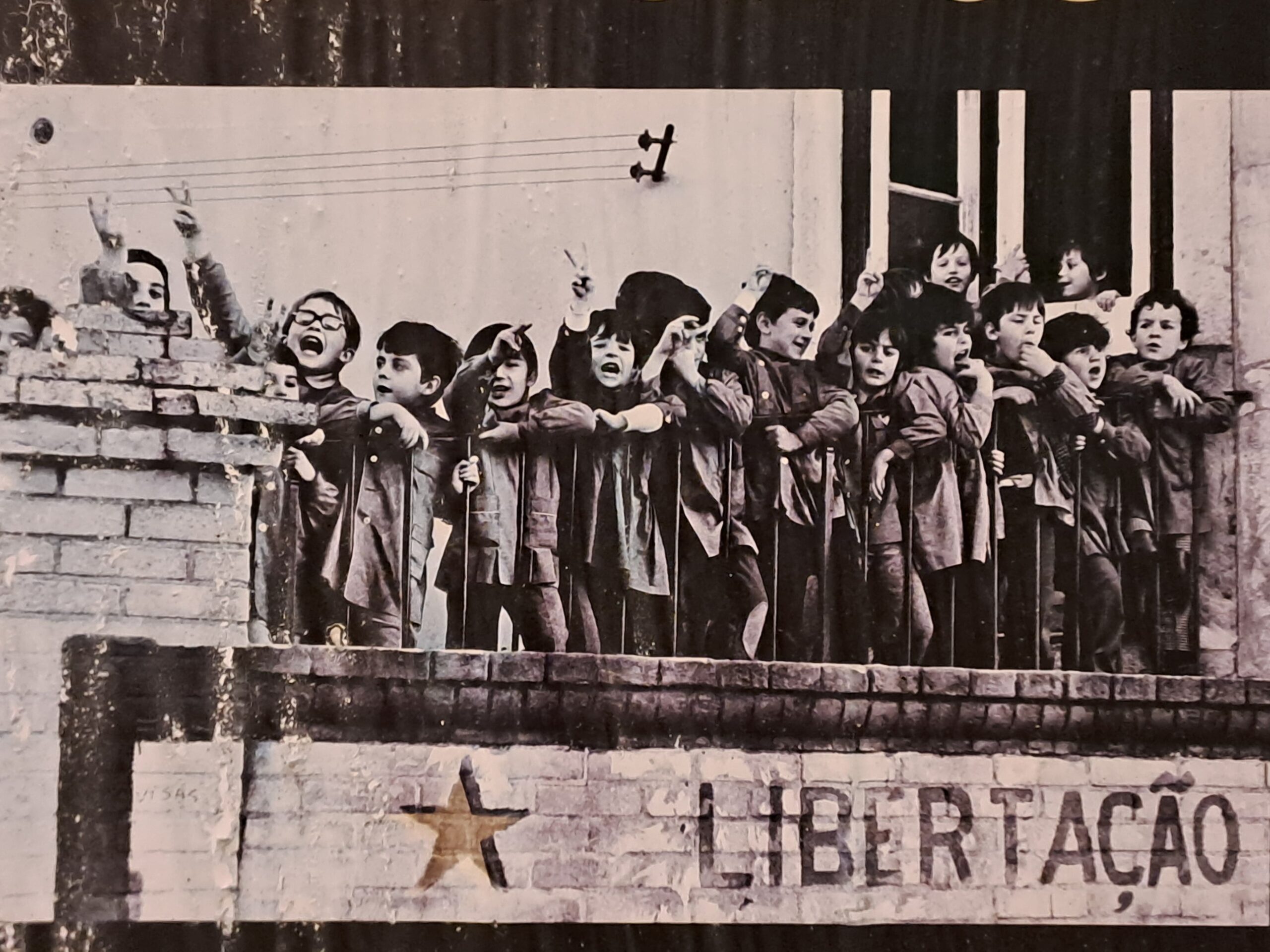
The 25 de Abril celebrations in Lisbon commemorate the Carnation Revolution (Revolução dos Cravos) that took place on April 25, 1974. This peaceful military coup overthrew Portugal’s authoritarian Estado Novo regime, which had been in power for nearly 50 years. The revolution marked the end of dictatorship and the beginning of democracy in Portugal.
Here’s what the celebrations in Lisbon typically involve:
Ceremonial Events and Parades
25 de Abril is a national holiday, and the day starts with official ceremonies. In Lisbon, there’s a significant military and civic parade that usually takes place in the Praça do Comércio or near other central landmarks. The parade honors the members of the Armed Forces Movement (Movimento das Forças Armadas), who played a key role in the revolution. There are speeches by government officials, veterans of the revolution, and prominent political figures, reflecting on the historic importance of that day
Carnation Revolution Commemorations
The day is popularly known as Carnation Revolution Day because of the symbolic use of carnations, which were used by the revolutionaries to peacefully overthrow the regime. People in Lisbon often wear or hand out carnations, which are a symbol of peace and non-violence, representing the way the revolution unfolded without bloodshed.
There are cultural events and gatherings where people reflect on the revolution’s significance for democracy, freedom, and human rights.
Public Concerts and Performances
Throughout Lisbon, there are free concerts and performances celebrating Portuguese music and culture. Fado, the traditional Portuguese genre of music, is often featured in these events, as well as other forms of popular music from the 1970s and 80s, reflecting the cultural revolution that followed the political one.
Public Demonstrations and Gatherings
While it is a celebratory day, 25 de Abril is also an opportunity for people to voice their political opinions. There are often peaceful protests and gatherings in Lisbon that emphasize the continuing importance of democratic values, social justice, and freedom. These demonstrations can be focused on various social or political issues, reflecting the ongoing impact of the revolution on Portuguese society.
Exhibitions and Cultural Activities
Museums and cultural centers in Lisbon often host special exhibitions on the history of the Carnation Revolution. The Museu do Aljube – Resistência e Liberdade (Museum of Resistance and Freedom), for example, may have exhibits that recount the history of the revolution, offering a deeper understanding of Portugal’s path to democracy.
In addition to museums, there are usually film screenings, discussions, and other educational activities about the revolution and its aftermath:
25 things to do in Lisbon on the 25th of April
Agenda 25th of April
Festive Atmosphere and Public Celebrations
Although the day is serious in terms of its historical significance, it’s also marked by a festive atmosphere. In Lisbon, many people gather in public spaces such as the Praça do Comércio, Avenida da Liberdade, and Alfama, where there are music performances, street parties, and casual gatherings. Cafes and restaurants may also be filled with people enjoying traditional Portuguese dishes and drinks in celebration.
Fado Music
Fado music, particularly songs that were popular in the post-revolution era, often plays a central role in the day’s festivities. These songs symbolize the feelings of freedom, change, and social justice that came with the revolution.
June
10th of june : Dia de Portugal, de Camões e das Comunidades Portuguesas
On June 10th, Lisbon, like the rest of Portugal, celebrates Dia de Portugal, de Camões e das Comunidades Portuguesas (Portugal Day, or Day of Camões and the Portuguese Communities). This day honors the country’s national identity, culture, and heritage, and it commemorates Luis de Camões, Portugal’s most famous poet, whose work Os Lusíadas celebrated Portugal’s maritime history and its Age of Exploration.
Here’s how Lisbon typically celebrates June 10th:
Ceremonial Events
Official Ceremonies: The day begins with official ceremonies, often held in Praça do Comércio or other important locations in Lisbon. These ceremonies are attended by the President of the Republic, other political leaders, and dignitaries. The President usually delivers a speech reflecting on Portugal’s history, its cultural achievements, and the contributions of the Portuguese people, both at home and abroad.
Homage to Camões: Since the day also commemorates the national poet Luís de Camões, there are often wreath-laying ceremonies at monuments dedicated to him, such as the Monumento a Camões in Praça Luís de Camões, a central square in Lisbon.
Camões’ Legacy and Literature
The day often includes special events related to Luis de Camões and his literary legacy. In Lisbon, there are often literary readings, exhibitions, and lectures focusing on Camões’ life and work, especially his epic poem Os Lusíadas, which tells the story of Vasco da Gama’s journey to India and celebrates Portugal’s maritime history.
Festa de Santo António (Feast of Saint Anthony) – June 12-13
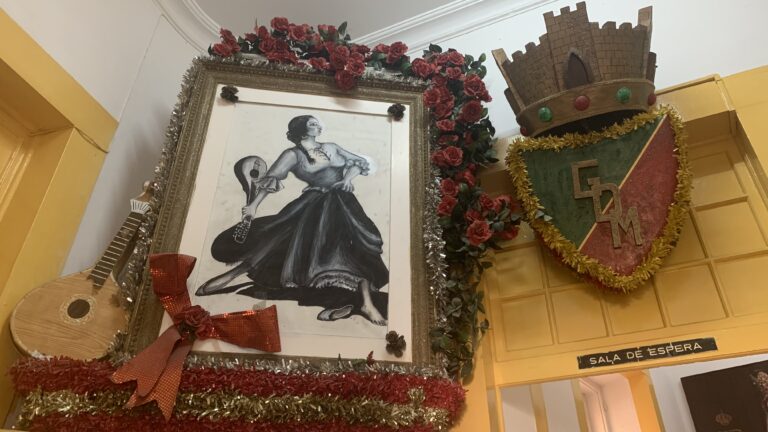
June is the month of Santos Populares (Popular Saints), with festivals all over the country on the nights of St Anthony, St John and St Peter. The main ones are the Lisbon festivities, from 12 to 13 June, the day of Saint Anthony, and those in Porto, on the night of 23 to 24 June, when Saint John is celebrated. These are very lively festivals where people come out to eat, drink and have fun in the streets of the popular neighbourhoods, decorated with arches, colourful balloons and basil.
In Lisbon, the Marchas Populares from each neighbourhood parade first on the Meo Arena and then down v. da Liberdade towards Rossio, filling the street with hundreds of performers, music and colours. But the crowds and excitement are no less in the streets of these neighbourhoods, especially Alfama, but also Graça, Bica, Mouraria and Madragoa, Alto do Pina.
In the squares and alleys, people eat caldo verde and grilled sardines, sing and dance the night away. Another highlight is the procession of St Anthony, who on the 13th leaves his church in Alfama, next to the Cathedral, where the saint was born around 1193.
Festa de São João (Saint John) and Kola San Jon
The São João festivity, or “Festa de São João do Porto,” is a vibrant midsummer celebration in Porto, Portugal, held on the night of June 23rd into the early hours of June 24th, honoring Saint John the Baptist and featuring lively street parties, music, dancing, and fireworks.
In Lisbon, is a festivity brought it’s mixing religious tradition and traditional rythm and music from Cabo Verde.
It’s specifically celebrated in the neighborhood Cova da Moura, in the Amadora area, where there is a big percentage of people with origins from Cabo Verde.
This festivity is part of Immaterial Cultural Patrimony of Portugal and it represents cultural inheritage.
You can follow the association Bazofo & Dentu Zona for the celebration.
For more information about this festivity: Essay about Kola San John
October
5th of october : anniversary of the Republican Revolution of 1910
The 5th of October is a significant day in Portugal, marking the anniversary of the Republican Revolution of 1910, which led to the establishment of the Portuguese First Republic and the overthrow of the monarchy. The revolution resulted in the deposition of King Manuel II and the end of over 700 years of continuous monarchy in Portugal. Since then, October 5th has been celebrated as Republic Day (Dia da República).
Here’s how October 5th is typically celebrated in Lisbon:
Public Gatherings and Celebrations
Parades and Processions: While Republic Day is more of a solemn occasion, Lisbon’s streets may see small parades or processions, especially in areas with historic significance to the Republic’s founding. These gatherings often include local authorities, military personnel, and citizens commemorating the establishment of the republic.
Public Gatherings: There might be gatherings at major squares such as Praça do Comércio or Avenida da Liberdade, where people gather to express their pride in Portugal’s republican heritage. These public celebrations may include speeches, music, and expressions of national pride.